

Discover the Path to Stronger, Pain-Free Feet and Ankles
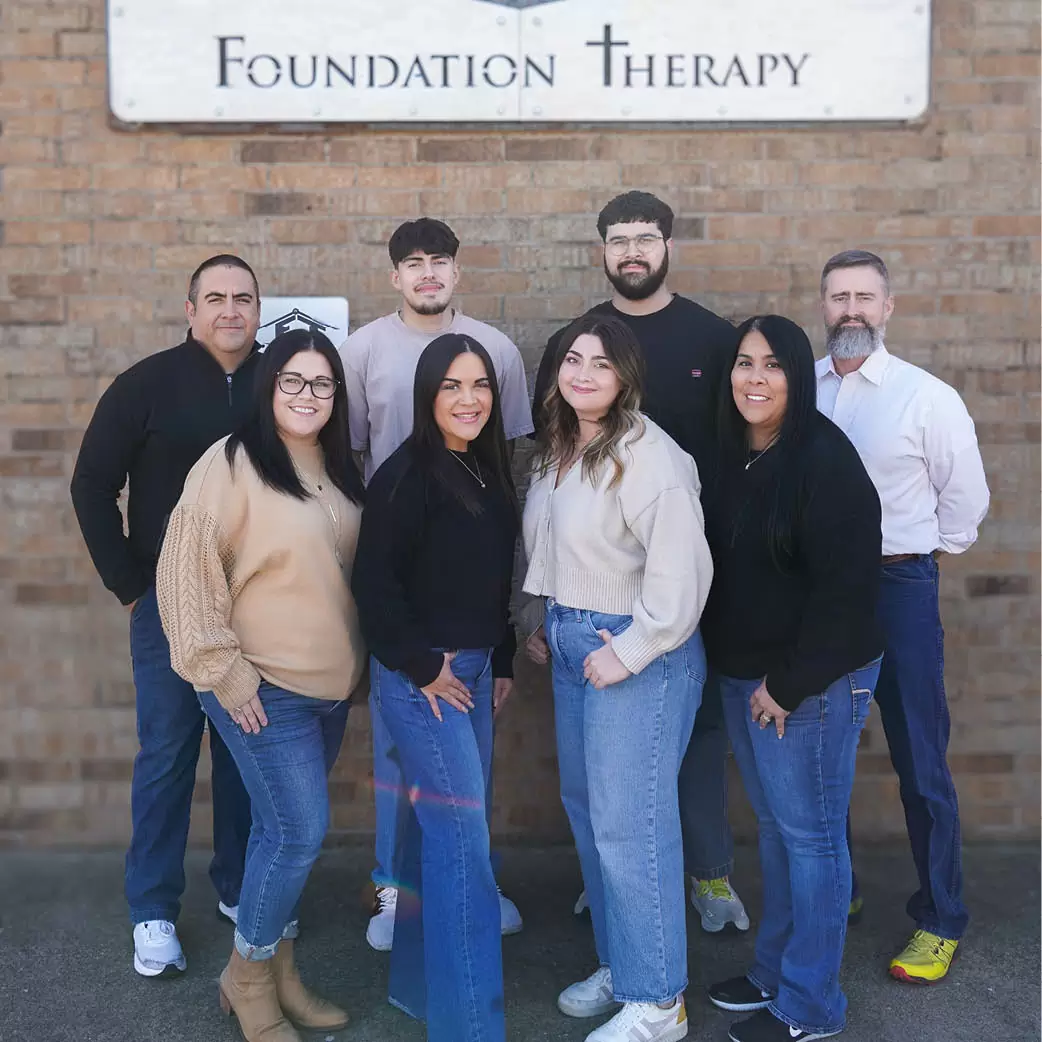
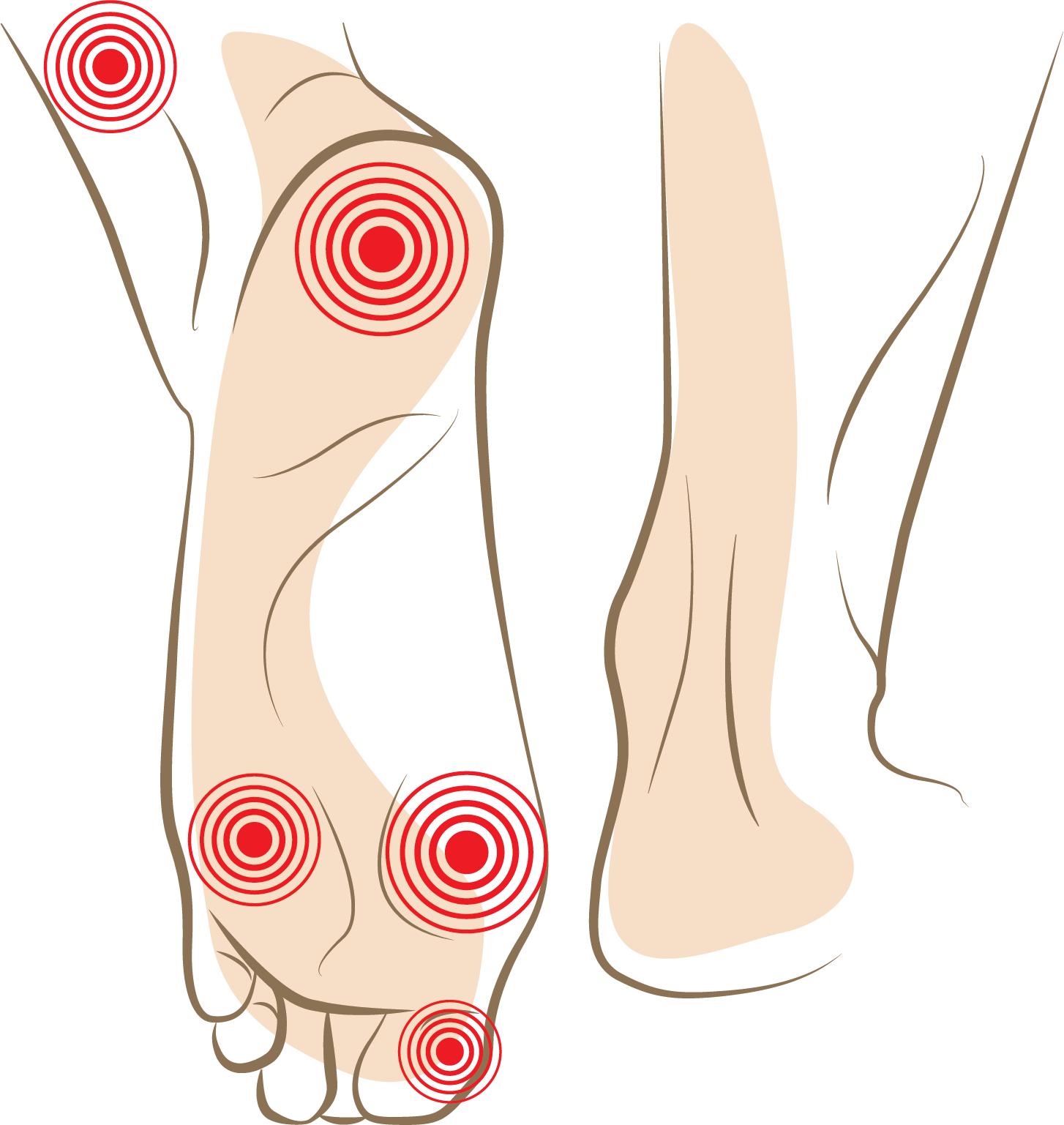
Our feet and ankles are the unsung heroes of our mobility, supporting us day in and day out. However, when foot and ankle problems arise, they can significantly impact our quality of life. At Foundation Therapy, our physical therapists play a crucial role in addressing these issues, helping individuals regain mobility and reduce discomfort.
Read on to learn more about common foot and ankle problems, preventative strategies, and how our physical therapists can make a difference in your journey towards better foot and ankle health.
Common Foot and Ankle Problems
Foot and ankle pain can affect our everyday lives and happens to many of us. It might be because we use our feet a lot, get injured, or have some health issues. Let’s talk about what usually makes our feet and ankles hurt and how we can do something about it.
- Plantar Fasciitis: Plantar fasciitis is characterized by pain in the heel, especially in the morning or after prolonged sitting. Strengthening the calf muscles can help alleviate the strain on the plantar fascia. Wearing supportive shoes with proper arch support, maintaining a healthy weight, and avoiding excessive high-impact activities are essential preventive measures.
- Achilles Tendinitis: Achilles tendinitis occurs when the Achilles tendon, the large tendon at the back of your ankle, becomes inflamed. This can result in pain and stiffness in the back of the ankle. Incorporating calf-strengthening exercises, gradually increasing exercise intensity, and wearing appropriate footwear can help reduce the risk of Achilles tendinitis.
- Ankle Sprains: Ankle sprains are common injuries caused by overstretching or tearing the ligaments around the ankle joint. They often lead to pain, swelling, and instability. Practicing balance and proprioception exercises can enhance ankle stability.
- Bunions: Bunions are bony bumps that develop at the base of the big toe, causing pain and deformity. They are often aggravated by wearing ill-fitting shoes. Choosing shoes with a wide toe box that allows proper spacing for the toes is essential. Avoiding high heels and considering orthotic devices for added support can alleviate bunion-related discomfort.
- Flat Feet (Pes Planus): Flat feet result from a lack of arch support, leading to discomfort and instability. This condition can impact walking and overall foot function. Strengthening the muscles in your feet and arches through specific exercises can provide better support. Additionally, using orthotic insoles in your shoes can help maintain arch height.
The Role of Foundation Therapy In Your Recovery
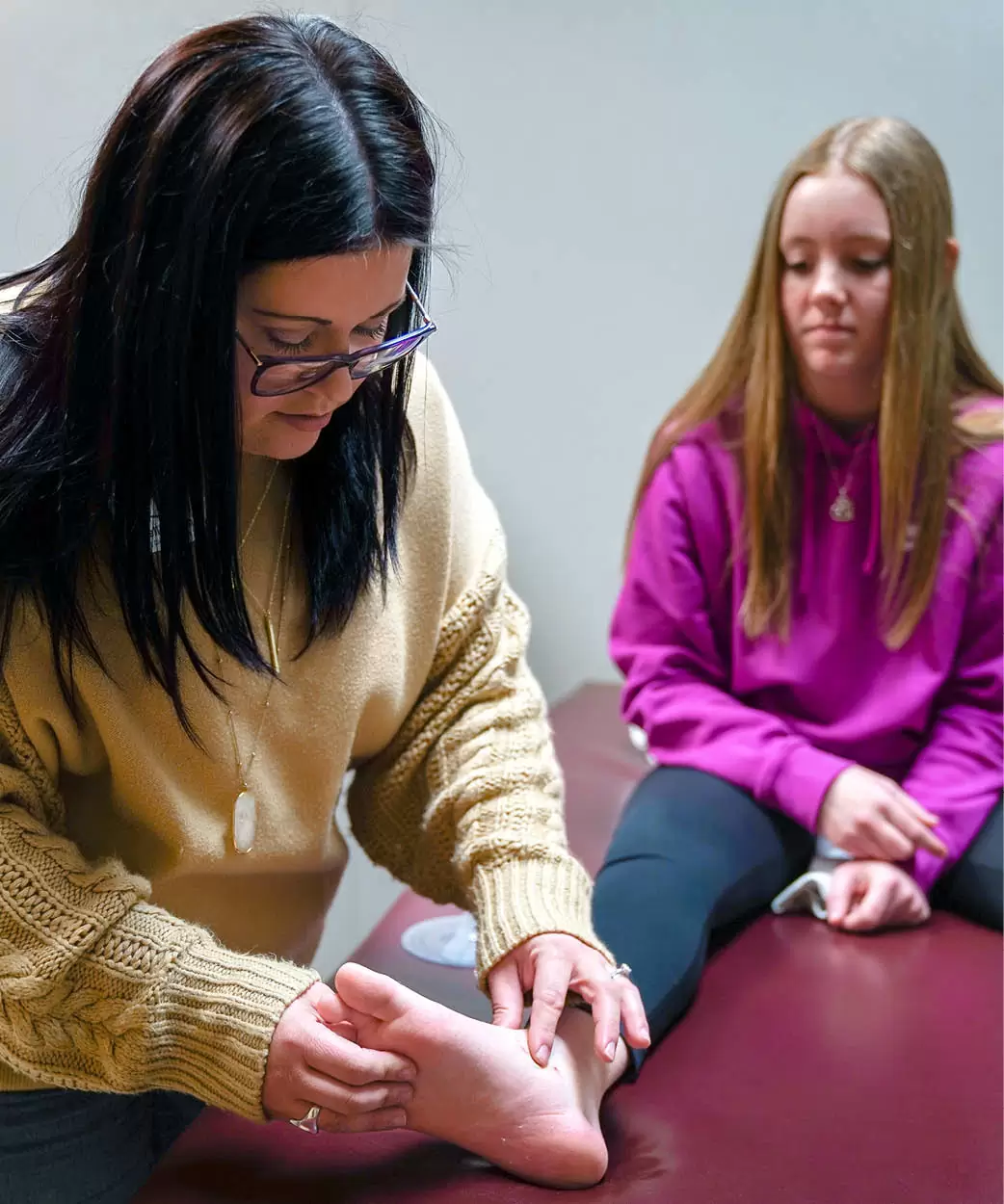
Our highly skilled physical therapists are experts in assessing and addressing foot and ankle problems. We can play a vital role in your journey towards better foot and ankle health by conducting comprehensive evaluations.
These evaluations involve:
- Strength and Range of Motion Testing: We’ll assess the strength of your foot and ankle muscles and evaluate joint mobility.
- Assessment of Gait and Movement Patterns: Our physical therapists analyze your walking and movement patterns to identify any abnormalities or areas of concern.
- Functional Testing: Your physical therapist may perform functional tests to determine how well your feet and ankles perform various activities.
Based on the evaluation findings, we’ll develop a personalized treatment plan tailored to your individual needs. This plan may include:
- Targeted Exercises: Stretching and strengthening exercises targeting the foot and ankle muscles are effective in helping to manage most foot and ankle issues.
- Manual Therapy Techniques: Manual therapy techniques, including joint mobilizations and soft tissue work, can reduce pain and improve ankle and foot mobility.
- Gait Activities: Gait activities are instrumental in addressing any abnormal walking patterns and gait disturbances in individuals with foot and ankle problems.
- Neuromuscular Reeducation: We often use neuromuscular reeducation techniques to improve proprioception and balance in individuals with ankle instability.
- Functional Training: Functional training is used to mimic real-life movements and is essential in restoring functional abilities and preventing recurrent injuries.
Our team is highly skilled at identifying and educating our patients about proper footwear, self-care techniques, and injury prevention strategies, an essential aspect of physical therapy. Education enhances patient compliance and promotes better long-term outcomes.
Empower Your Feet and Ankles Today
Don’t let discomfort or limitations hold you back. Call Foundation Therapy and let one of our skilled therapists guide you to healthier, pain-free feet and ankles. Your well-being is worth every step of the way!
Return to PT at Foundation Therapy!
Miss feeling your best? Come back to Foundation Therapy and let us help you get there—schedule your appointment today!


Celebrate Mother’s Day with Healthy Activities
May is the perfect time to celebrate Mother’s Day health-consciously. This month, Foundation Therapy would like to help you find activities that promote physical well-being while honoring the special mothers in our lives, like:
- Take a Nature Walk: Enjoy the beauty of May by going on a nature walk or hike. It’s a great way to boost cardiovascular health and enjoy each other’s company.
- Cook a Healthy Meal: Spend time together cooking a healthy meal. It’s a fun way to promote nutritional wellness.
- Plan a Dance Party: Light-hearted and fun, dancing is an excellent way to stay active.
Use Mother’s Day as an opportunity to find activities that are fun and beneficial for your physical health. It’s a wonderful way to show your love while promoting a healthy lifestyle. Happy Mother’s Day!

Spring Time Word Scramble
ruetftybl
ihnuenss
adlofdfi
ratees
oslmbos
brnwaoi
Answer Key
butterfly
sunshine
daffodil
easter
blossom
rainbow
Community Events
5th Annual Chase the Chief 5K/1M, Sat May 3rd at 1:30pm, 900 Halsell Street

Matthew Marcus McDaniel, Sat May 10th at 5pm, Marker Cellars Winery

42nd Annual Butterfield Stage Days Festival, Sat May 10th at 10am-4pm, Harwood Park

Follow Us on Social Media!
Patient Spotlight:
“I had a hand and wrist surgeries. Chris and his staff took care of the PT on both. They did an outstanding job on both. I have no problems with either situations. Thank you Team Foundation.”
— Gary K.

Share Your Success Story

Love your experience with Foundation Therapy? Click the button to leave us a Google review—your feedback helps others find the care they need!
Seasonal Recipe:
Spring Asparagus Risotto
- 4 cups (1-inch) sliced asparagus (about 1 1/2 pounds), divided
- 3 cups fat-free, low-sodium chicken broth
- 1 1/2 cups water
- 1 tbsp butter
- 2 cups chopped onion (about 1 large)
- 2 cups uncooked Arborio or other medium-grain rice
- 1/2 cup dry white wine
- 1 cup (4 ounces) grated fresh Parmigiano-Reggiano cheese, divided
- 1/4 cup heavy whipping cream
- 1 tsp salt
- 1/2 tsp freshly ground black pepper
Place 1 cup asparagus and 1 cup broth in a blender; puree until smooth. Combine puree, remaining 2 cups broth, and 1 1/2 cups water in a medium saucepan; bring to a simmer (do not boil). Keep warm over low heat. Melt butter in a large heavy saucepan over medium heat. Add onion to pan; cook 8 minutes or until tender, stirring occasionally. Stir in rice; cook 1 minute, stirring constantly. Stir in wine; cook 2 minutes or until liquid is nearly absorbed, stirring constantly. Add 1/2 cup broth mixture; cook 2 minutes or until the liquid is nearly absorbed, stirring constantly. Add remaining puree mixture, 1/2 cup at a time, stirring constantly until each portion of broth is absorbed before adding the next (about 30 minutes total). Stir in remaining 3 cups asparagus; cook 2 minutes. Stir in 3/4 cup cheese, cream, salt, and pepper. Transfer risotto to a bowl. Serve with remaining 1/4 cup cheese.

Choosing the Right Footwear
When selecting the perfect pair of shoes, there’s more to consider than just style and comfort. Your choice of footwear plays a pivotal role in maintaining the health of your feet and ankles.
Use this checklist and step confidently towards happier, healthier feet:
- Arch Support Matters: Look for shoes with adequate arch support. Well-supported arches can help prevent strain and discomfort.
- Cushioning for Comfort: Opt for shoes with sufficient cushioning in the sole. Avoid shoes with too much cushioning that makes you feel unsteady when you walk.
- Fit is Essential: Ensure your shoes fit correctly. An improper fit can lead to blisters, corns, and other foot problems.
- Heel Height Matters: High heels can increase pressure on the forefoot and contribute to issues like bunions and pain in the ball of the foot.
- Activity-Specific Shoes: Choose footwear designed for your intended activity. Running shoes differ from hiking boots, and each serves a unique purpose. Match the shoe type to your activity to ensure proper support and functionality.
Understand your foot type, such as flat feet or high arches. Above all, prioritize comfort. Your shoes should feel comfortable from the moment you put them on.
Take Action for Your Foot Health
Choosing proper footwear is not just about style; it’s critical to safeguarding your foot and ankle health. If you’re looking for guidance when selecting your next pair of shoes, call Foundation Therapy. Your feet will thank you!
Thank you for subscribing to Foundation Therapy
Refer a Friend

Our purpose at Foundation Therapy is to leave a greater impact on the community around us. In order to achieve our goal we want to change as many lives as possible as we become a beacon of positivity in our community.
Meet Our Team

Chris Hicks
Owner / PT


Kelli Smith
Supervising Clinician/PT

Ali Martinez
Office Manager

Sandra McDonald
Insurance Verification and Authorization Specialist