


How Physical Therapy Can Help with Rotator Cuff Injuries
Imagine waking up one morning, eager to start your day, but as you attempt to brush your teeth, the pain in your shoulder sends a searing wave of discomfort through your entire arm. Suddenly, the simplest tasks become challenging.
This scenario is all too familiar for individuals dealing with rotator cuff injuries, which can severely limit daily life functions. However, there is hope in the form of physical therapy—a proven and effective way to regain strength, mobility, and overall shoulder function.
At Foundation Therapy, our physical therapists are highly trained and understand how important it is to resolve your shoulder pain. We’ll get to the root of your problem and provide clear guidance to help you recover sooner rather than later!
Contact our skilled team of physical therapists today and get started on your road to recovery!
The Impact of a Shoulder Injury
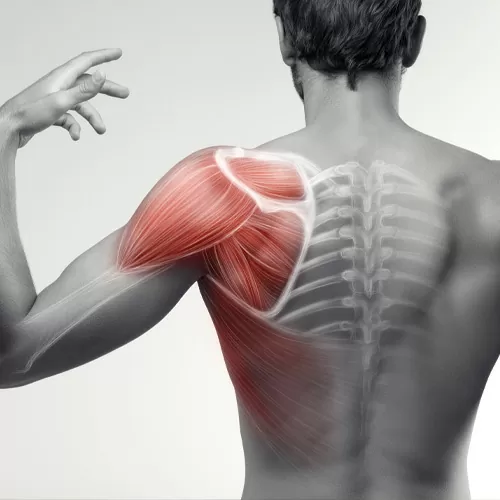
Rotator cuff injuries can disrupt your life in many ways, affecting your physical abilities and overall well-being. Some common limitations and challenges individuals face due to shoulder pain include:
Painful Movements:
Simple actions like reaching for an item on a high shelf, combing your hair, or even tucking in your shirt can become excruciatingly painful.
Sleep Disturbances:
Many people with shoulder injuries struggle to find a comfortable position, leading to disrupted sleep patterns and fatigue.
Limited Range of Motion:
Reduced shoulder mobility can hinder your ability to perform essential tasks, such as putting on a seatbelt or reaching behind your back.
Loss of Strength:
Weakness in the affected arm can make lifting even lightweight objects a daunting challenge.
For those grappling with these challenges, seeking help from Foundation Therapy can be a game-changer!
The Role of Foundation Therapy in Your Recovery
When you consult a physical therapist for a rotator cuff injury, the initial evaluation is a critical step in the recovery process. Here’s what you can expect:
Your physical therapist will start by discussing your medical history, including the onset and nature of your shoulder pain, any previous injuries, and your overall health.
A thorough physical examination follows, focusing on the affected shoulder. This includes assessing your range of motion, strength, and any signs of inflammation or instability. To understand how your injury impacts your daily life, your therapist will assess your ability to perform essential tasks like reaching, lifting, and dressing.
Based on the evaluation findings, your physical therapist will provide a diagnosis and work with you to establish clear goals for your rehabilitation.
Next, your therapist will design a program tailored to your unique needs, including:
Manual Therapy:
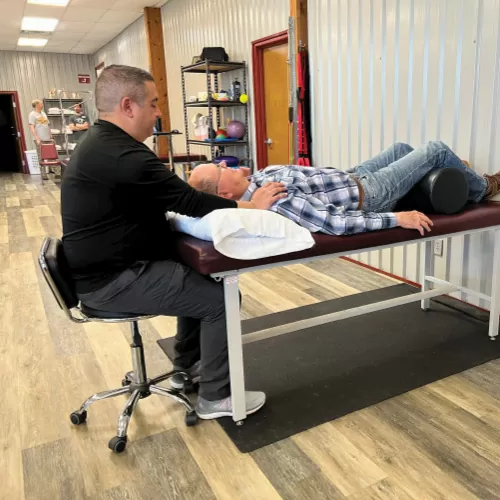
Physical therapists often use manual therapy techniques, including joint mobilizations and soft tissue mobilizations, to alleviate pain and improve shoulder mobility. These techniques have been shown to reduce pain and enhance range of motion in individuals with rotator cuff injuries.
Therapeutic Exercises:
A customized exercise program is a cornerstone of rotator cuff rehabilitation. Therapists prescribe exercises that target specific muscle groups, gradually improving strength and function.
Home Exercise Programs:
Physical therapists provide patients with home exercise programs to promote continuity of care. Consistent adherence to these programs can improve rotator cuff rehabilitation outcomes.
Patient Education:
Understanding the injury and learning how to prevent future problems is crucial. Our physical therapists educate patients about proper shoulder mechanics, posture, and ergonomics to reduce re-injury risk.
As you continue to progress in your recovery, functional training becomes vital. Tasks like lifting, reaching, and carrying are integrated into the rehabilitation program to ensure you regain your ability to perform daily activities without pain or limitation.
Taking the First Step Towards Recovery
If you’re dealing with the challenges of a rotator cuff injury, don’t let it limit your life any longer. Seek the expertise of one of our highly skilled physical therapists who can provide a personalized treatment plan based on your unique needs and goals.
Your path to regaining strength, mobility, and a pain-free shoulder begins with a simple but crucial step: reaching out to us today!
Don’t wait — start your journey towards recovery today!
Return to PT at Foundation Therapy!
Miss feeling your best? Come back to Foundation Therapy and let us help you get there—schedule your appointment today!


Garden and Yard Work: Approaches to Injury Prevention
Spring has sprung, and many are eager to get their hands dirty in the garden or yard. However, these activities can put an unexpected strain on your body if you’re not prepared. Try these tips to keep you gardening longer while minimizing your risk for injury.
- Movement Prep: Gone are the days of old-school static stretching. Instead, use a dynamic warm-up to prep your muscles and joints for gardening.
- Spinal Health: Incorporate ‘active breaks’ every 20 minutes to reset your spine. Or alternate between working up high (like trimming bushes) and down low (like planting flowers). This gives specific muscle groups a break and reduces the risk of overuse injuries.
- Neuromuscular Control: Practice exercises that engage both your brain and muscles, like balance exercises to avoid trips and falls over uneven terrain or gardening tools, making it easier to navigate through your garden.
Utilizing these cutting-edge approaches can ensure a physically fulfilling and injury-free gardening season, allowing you to fully enjoy the fruits (and flowers) of your labor.
Happy Gardening!
April Word Scramble
olofs
rwhesso
sutpli
aiprodsnr
tlaeacprilr
angrde
Answer Key
fools
showers
tulips
raindrops
caterpillar
garden
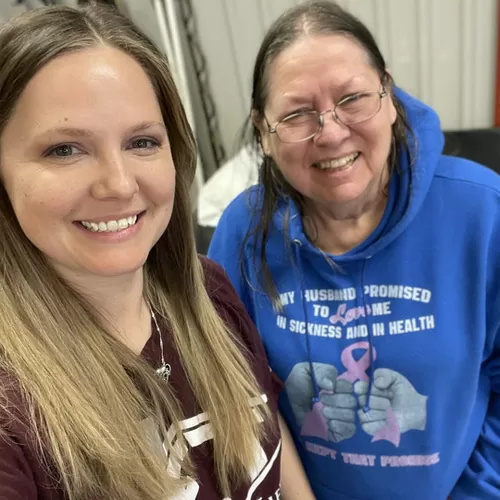
Patient Spotlight:
“It’s been months since I’ve been able to reach out my car window to get mail from the mailbox!”
-Lana
Follow Us on Social Media!
Share Your Success Story

Love your experience with Foundation Therapy? Click the button to leave us a Google review—your feedback helps others find the care they need!
Enjoy This Healthy Recipe!
Mediterranean Chicken Salad

This Mediterranean Chicken Salad is fresh, flavorful, and packed with vibrant ingredients that make every bite satisfying. It’s the perfect light yet filling dish to enjoy on a warm day or whenever you’re craving something healthy and delicious.
- 1 cup lemon juice
- 2 tbsp snipped fresh mint
- 2 tbsp snipped fresh basil
- 2 tbsp olive oil
- 1 tbsp honey
- ¼ tsp black pepper
- 5 cups shredded romaine lettuce
- 2 cups cut-up cooked chicken breast
- 2 plum tomatoes, cut into wedges
- 1 (15 oz) can garbanzo beans
- 2 tbsp pitted Kalamata olives
- 2 tbsp crumbled reduced-fat feta cheese
- 6 Whole kalamata olives
Directions:
In a screw-top jar, combine lemon juice, mint, basil, olive oil, honey, and black pepper to make dressing. Cover and shake well. Place lettuce on a large platter. Top with chicken, tomatoes, garbanzo beans, the quartered olives (if using), and feta cheese. Drizzle with dressing. If desired, garnish individual servings with whole olives.




Refer a Friend

Our purpose at Foundation Therapy is to leave a greater impact on the community around us. In order to achieve our goal we want to change as many lives as possible as we become a beacon of positivity in our community.
Thank you for subscribing to Foundation Therapy
Meet Our Team

Chris Hicks
Owner / PT


Kelli Smith
Supervising Clinician/PT

Ali Martinez
Office Manager

Sandra McDonald
Insurance Verification and Authorization Specialist