
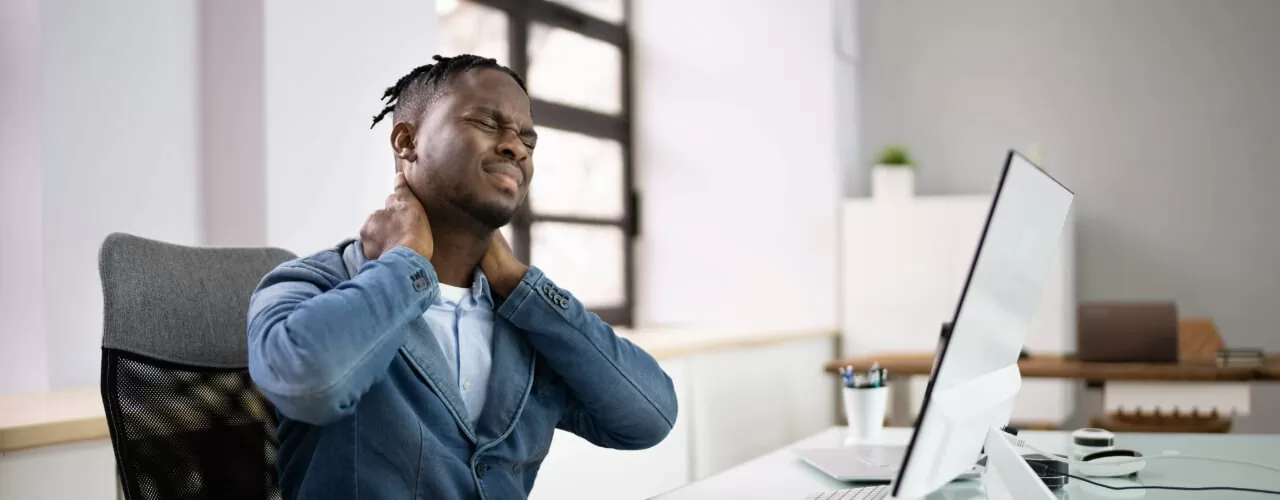
Neck pain is a common ailment affecting millions worldwide, impacting their daily activities and overall quality of life. Approximately 10% to 20% of adults experience neck pain. Poor posture is one of the leading contributors to neck pain, with prolonged sitting and improper ergonomics placing excessive strain on the cervical spine. Physical therapy offers a comprehensive approach to relieving neck pain and restoring function. Techniques like posture correction for neck pain play a crucial role in addressing underlying biomechanical imbalances and ergonomic factors, helping individuals achieve long-lasting relief and prevent future episodes of discomfort.
Ready to get started with physical therapy for neck pain? Call our team at Foundation Therapy today to learn more!
The Connection Between Posture and Neck Pain
Neck pain, or cervicalgia, is a prevalent condition characterized by discomfort, stiffness, and limited mobility in the cervical spine region. This discomfort can often radiate to the shoulders, upper back, and arms, leading to additional symptoms such as headaches and muscle tension.
Postural Habits That Can Lead to Neck Pain
Forward Head Position
- Tilting the head forward, often seen when leaning toward a computer screen or phone, significantly increases the strain on the neck muscles and spine. This position can lead to muscle fatigue, stiffness, and chronic neck pain.
Slouching
- Rounded shoulders and a slumped upper back create muscle imbalances that pull on the neck muscles. Over time, this poor posture can contribute to tension headaches, shoulder pain, and persistent neck discomfort.
Text Neck
- Constantly looking down at phones, tablets, or other handheld devices causes repetitive strain on the neck, commonly known as “text neck.” Text neck can lead to inflammation, muscle strain, and even changes in the spine’s natural curvature.
Improper Ergonomics
- Poorly set up workstations, such as a computer monitor positioned too low or too high, can force the neck into awkward, unnatural positions. This strain can cause neck pain, eye strain, and reduced productivity over time.
Lack of Back Support
- Sitting without adequate lumbar support often results in slouching or leaning forward, which forces the neck into a forward position. This compensatory posture puts extra pressure on the cervical spine and can lead to chronic neck and back pain.
Hunched Shoulders
- Keeping the shoulders raised or hunched, especially during stressful situations or while typing, can cause the muscles around the neck and shoulders to tighten. This tension can contribute to neck stiffness, pain, and reduced range of motion.
Empowering Relief: How Posture Correction Can Alleviate Neck Pain
Posture correction can be a cornerstone technique in neck pain management, offering a comprehensive approach to address the root causes and alleviate discomfort effectively. Focusing on optimizing posture can help reduce strain on the neck muscles, ligaments, and joints.
Posture Correction for Neck Pain Relief
Alignment Optimization
- Posture correction aims to align the spine and maintain its natural curvature, particularly in the cervical region. By adopting proper posture habits, such as sitting up straight with shoulders relaxed and chin tucked, individuals can distribute their head weight evenly and minimize undue stress on the neck structures.
Muscle Balance Restoration
- Poor posture often leads to muscle imbalances, with certain muscles becoming overactive and others weakened. Through targeted exercises and stretches prescribed by a physical therapist, individuals can rebalance muscle strength and flexibility, alleviating tension and promoting optimal function of the neck muscles.
Joint Support and Stability
- Correct posture supports the cervical spine’s joints by reducing abnormal loading and preserving joint integrity. By maintaining a neutral spine position during daily activities, individuals can minimize wear and tear on the neck joints and prevent degenerative changes associated with conditions like arthritis and spondylosis.
Prevention of Forward Head Posture
- Forward head posture, characterized by the protrusion of the head and shoulders forward, is a common postural deviation linked to neck pain and stiffness. Posture correction techniques focus on realigning the head over the shoulders, reducing the strain on the neck muscles, and preventing excessive cervical spine curvature.
Enhanced Ergonomics
- Proper ergonomics in the workplace and home are integral components of posture correction. Adjusting workstation setups, using supportive pillows during sleep, and maintaining ergonomic principles while lifting and carrying objects can significantly reduce neck strain and promote spinal health.
Mindful Movement Awareness
- Incorporating mindfulness techniques into daily activities encourages individuals to remain aware of their body positioning and movement patterns. By practicing mindfulness, individuals can catch themselves slipping into poor posture habits and make timely adjustments to maintain optimal spinal alignment.
Unlocking the Path to Pain-Free Living
So, if you’re ready to take the next step towards a pain-free neck and a life of vitality, let us be your partner in unlocking the path to pain-free living. Call our team at Foundation Therapy today to learn more about posture correction for neck pain.